Pelvic Health and Menopause: Culturally Competent Care and the Power of Pelvic PT
Break the Silence with Candid Insights on Pelvic Health, Cultural Competence, and Positive Transition
Pelvic Health and Menopause: Culturally Competent Care and the Power of Pelvic PT
Break the Silence with Candid Insights on Pelvic Health, Cultural Competence, and Positive Transition
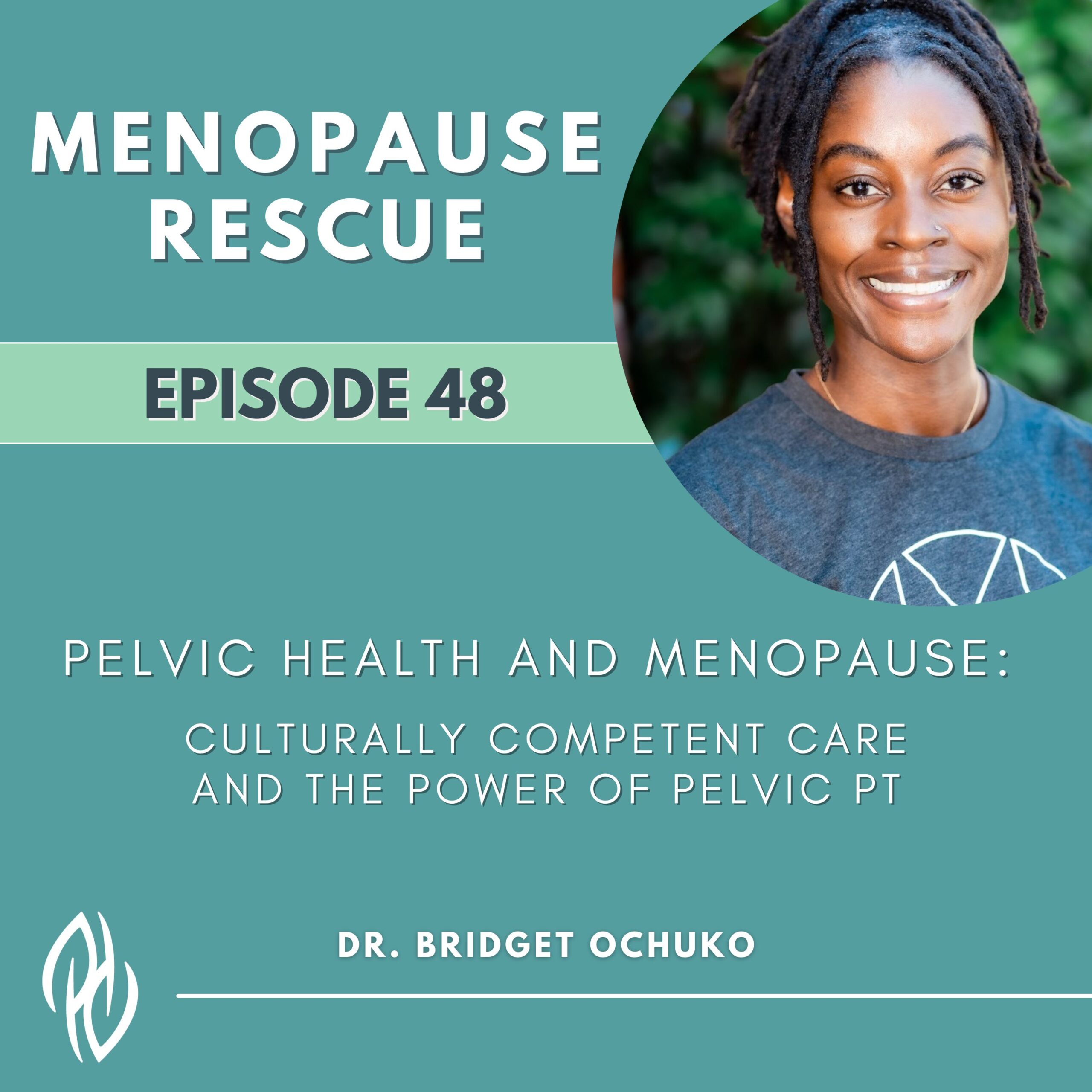
In this episode of Menopause Rescue, Dr. Ochuko, alongside Dr. Polly Watson, discusses menopause, perimenopause, and how women of color are too often left out of research and treatment for midlife health. Dr. Ochuko highlights the importance of culturally competent care, understanding historical medical racism, and giving women the knowledge they need to advocate for themselves.
“We don’t have to suffer—we can have a natural process, but it doesn’t have to be miserable,” – Dr. Bridget Ochuko.
The episode covers how menopause symptoms can look different across races, why Black women often experience more severe and earlier symptoms, and how delayed treatment can increase long-term health risks like cardiovascular disease. Dr. Watson and Dr. Ochuko shed light on the power of patient self-advocacy, the need for truly inclusive research, and the crucial role of pelvic floor physical therapy in supporting women through midlife changes.
Watch The Conversation!
In this episode of Menopause Rescue, Dr. Ochuko, alongside Dr. Polly Watson, discusses menopause, perimenopause, and how women of color are too often left out of research and treatment for midlife health. Dr. Ochuko highlights the importance of culturally competent care, understanding historical medical racism, and giving women the knowledge they need to advocate for themselves.
“We don’t have to suffer—we can have a natural process, but it doesn’t have to be miserable.” – Dr. Bridget Ochuko
The episode covers how menopause symptoms can look different across races, why Black women often experience more severe and earlier symptoms, and how delayed treatment can increase long-term health risks like cardiovascular disease. Dr. Watson and Dr. Ochuko shed light on the power of patient self-advocacy, the need for truly inclusive research, and the crucial role of pelvic floor physical therapy in supporting women through midlife changes.
If you’re navigating perimenopause or menopause—and especially if you’re a woman of color seeking better care—this conversation offers validation, practical tools, and a roadmap to more equitable, empowering menopause care.
Quotes:
- “I want people to understand that it’s a natural process because that also helps us kind of work through in our mind what we’re experiencing is something that’s gonna happen… but understanding that we don’t have to suffer. We can have a natural process, but it doesn’t have to be miserable.” – Dr. Bridget Ochuko
- “African-American women had longer menopause and worse menopause symptoms… and yet the group with the longest duration and worst severity is often getting the lowest percentage of treatment.” – Dr. Polly Watson
- “Culturally competent care is also learning from your patient and understanding where they’re coming from and taking into account not just the physical or not just the diagnosis that’s sitting in front of you, but all of those other external factors that contribute to someone’s health.” – Dr. Bridget Ochuko
Resources:
Disclaimer: https://hormonewellnessmd.com/podcast#Disclaimer
Meet the host!
She looks forward to sharing her knowledge with you to help find a solution to address the imbalance in your system and restore your health.

Meet the Guest Speaker!
Dr. Bridget Ochuko, PT, DPT, MPH is a pelvic health physical therapist, childbirth educator, and yoga instructor serving Durham, NC, and surrounding areas. She specializes in supporting people through every stage of life—from puberty and childbirth to menopause and beyond—treating a wide range of pelvic health concerns. Her expertise includes chronic pelvic pain, sexual pain, hormonal imbalances, perinatal care, and bowel health issues, with a commitment to helping individuals better understand and take ownership of their pelvic wellness.
Her treatment philosophy centers on the integration of movement, breathwork, and mindfulness to address both the physical and emotional components of pain and dysfunction. Bridget strongly advocates for collaborative, holistic care and partners with other medical professionals to ensure comprehensive support for her patients. Beyond clinical practice, she serves as the Domestic Program Director on the board of InspireHer: A Global Women’s Health Initiative, where she advances programs dedicated to women’s health and empowerment. Click here to become a patient!
Knowledge is power… if you know what to expect, then you can advocate for the symptoms you’re experiencing.
Meet the host!
She looks forward to sharing her knowledge with you to help find a solution to address the imbalance in your system and restore your health.
Meet the Guest!
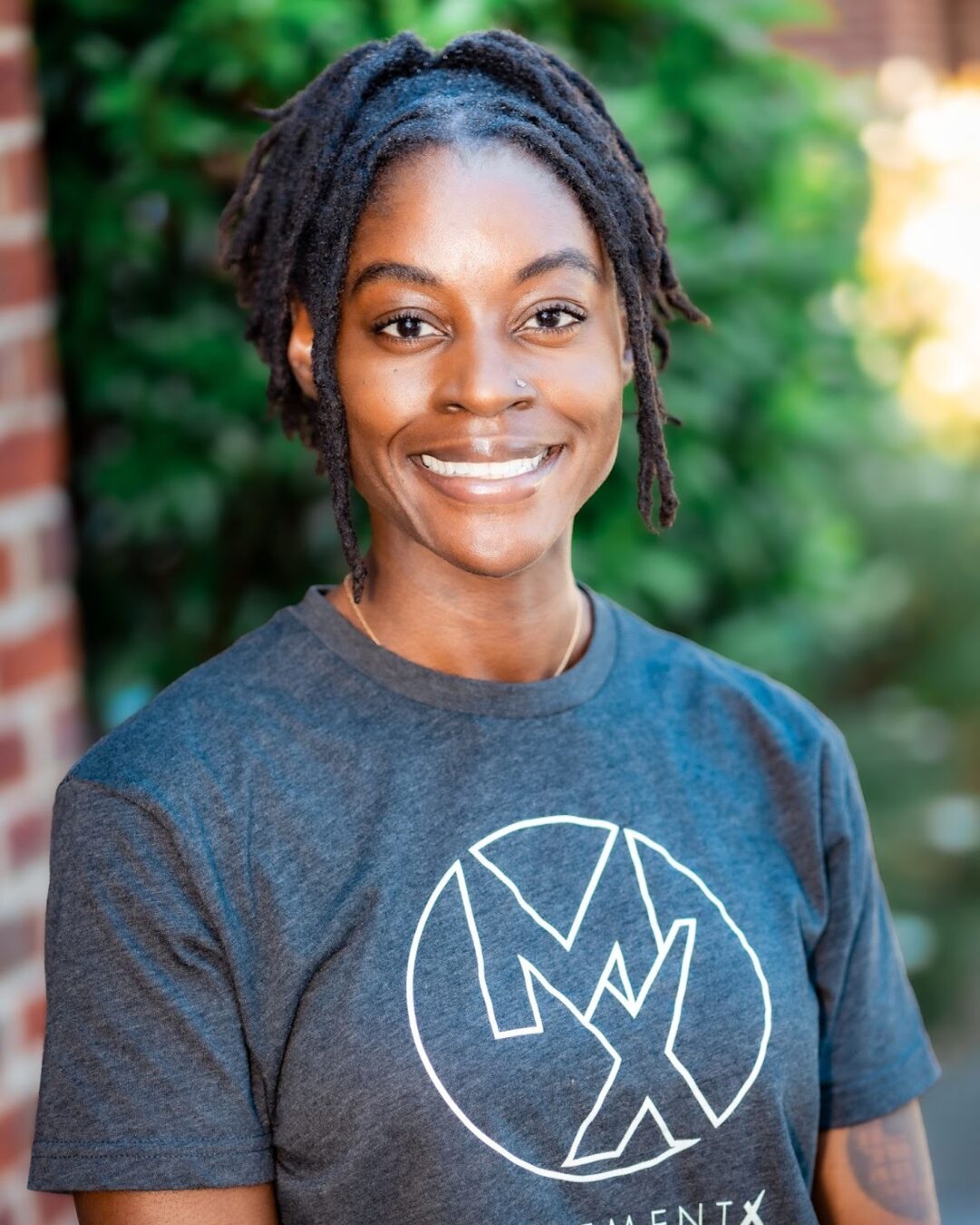
Dr. Bridget Ochuko, PT, DPT, MPH is a pelvic health physical therapist, childbirth educator, and yoga instructor serving Durham, NC, and surrounding areas. She specializes in supporting people through every stage of life—from puberty and childbirth to menopause and beyond—treating a wide range of pelvic health concerns. Her expertise includes chronic pelvic pain, sexual pain, hormonal imbalances, perinatal care, and bowel health issues, with a commitment to helping individuals better understand and take ownership of their pelvic wellness.
Her treatment philosophy centers on the integration of movement, breathwork, and mindfulness to address both the physical and emotional components of pain and dysfunction. Bridget strongly advocates for collaborative, holistic care and partners with other medical professionals to ensure comprehensive support for her patients. Beyond clinical practice, she serves as the Domestic Program Director on the board of InspireHer: A Global Women’s Health Initiative, where she advances programs dedicated to women’s health and empowerment. Click here to become a patient!
Knowledge is power… if you know what to expect, then you can advocate for the symptoms you’re experiencing.