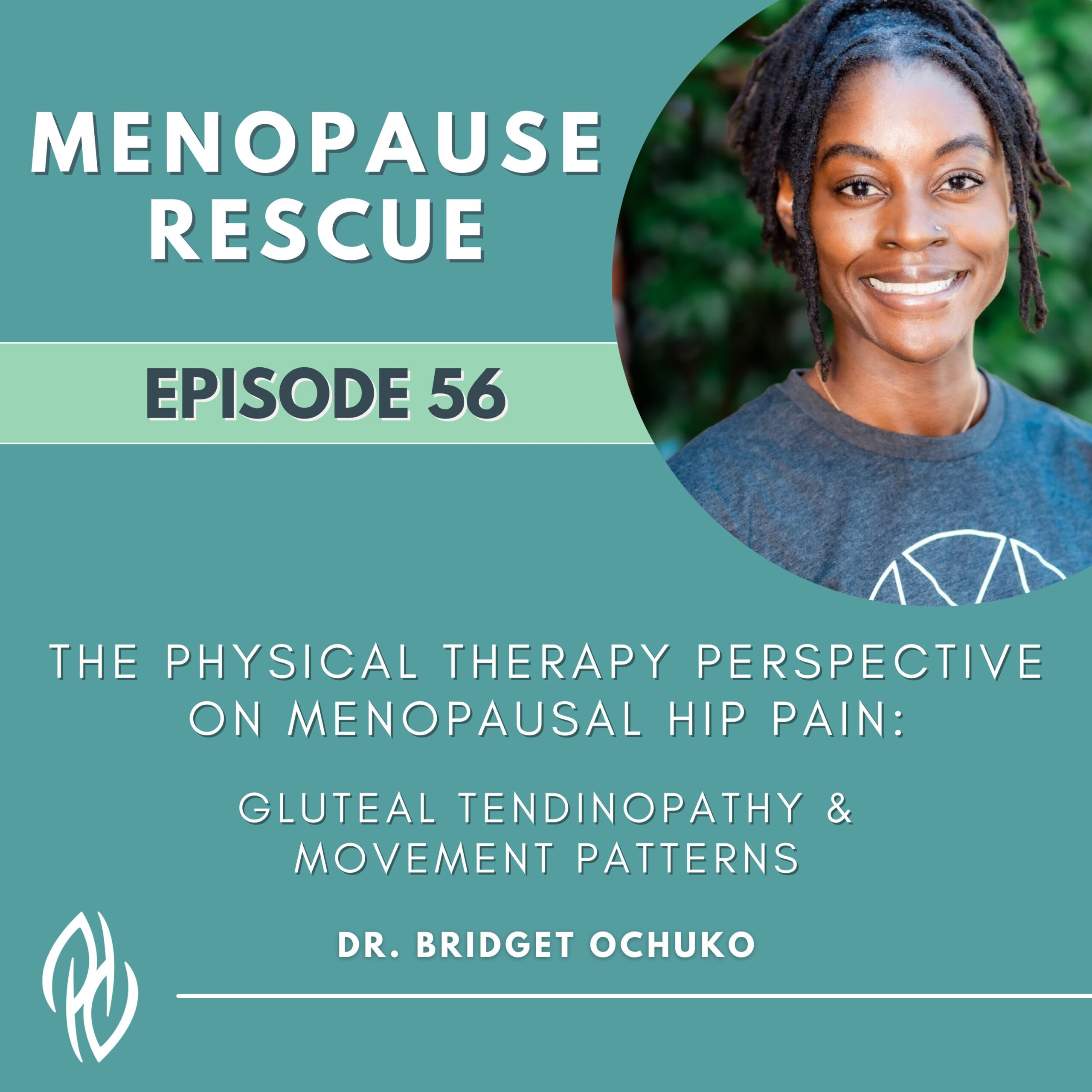
The Physical Therapy Perspective on Menopausal Hip Pain: Gluteal Tendinopathy & Movement Patterns
Unpack why menopausal hip pain is often more than “just getting older”.
The Physical Therapy Perspective on Menopausal Hip Pain: Gluteal Tendinopathy & Movement Patterns
Unpack why menopausal hip pain is often more than “just getting older”.
In this episode, Dr. Bridget Ochuko, alongside Dr. Polly Watson, discusses menopausal hip pain and the often-missed diagnosis of gluteal tendinopathy. Dr. Ochuko highlights the importance of understanding how declining estrogen, chronic inflammation, movement patterns, and everyday habits contribute to persistent lateral hip pain.
“Hormones are a tool—but they’re not the only tool. When pain shows up, there’s usually a movement or strength imbalance driving it too,” says Dr. Polly Watson
The episode covers how glute weakness, pelvic floor overactivity, footwear choices, sleep positions, and poor load transfer through the hips and pelvis intersect to create pain and dysfunction in midlife women. Dr. Watson and Dr. Ochuko shed light on why physical therapy should be considered a first-line, primary care approach—and how combining hormones, movement, and strength training can restore mobility, reduce pain, and support long-term musculoskeletal health during perimenopause and menopause.
Watch The Conversation!
In this episode, Dr. Bridget Ochuko, alongside Dr. Polly Watson, discusses menopausal hip pain and the often-missed diagnosis of gluteal tendinopathy. Dr. Ochuko highlights the importance of understanding how declining estrogen, chronic inflammation, movement patterns, and everyday habits contribute to persistent lateral hip pain.
“Hormones are a tool—but they’re not the only tool. When pain shows up, there’s usually a movement or strength imbalance driving it too,” says Dr. Polly Watson.
The episode covers how glute weakness, pelvic floor overactivity, footwear choices, sleep positions, and poor load transfer through the hips and pelvis intersect to create pain and dysfunction in midlife women. Dr. Watson and Dr. Ochuko shed light on why physical therapy should be considered a first-line, primary care approach—and how combining hormones, movement, and strength training can restore mobility, reduce pain, and support long-term musculoskeletal health during perimenopause and menopause.
Learn how movement patterns, sleep positions, footwear (yes, heels matter), and load transfer through the hips and pelvis influence pain and recovery, and why weak glutes and an overactive pelvic floor so often coexist.
Quotes:
- “Heels can have a major negative impact on alignment, pelvic floor function, and load transfer through the body. Depending on symptom severity, sometimes the conversation really is about getting out of the heels.” – Dr. Bridget Ochuko
- “Gluteal tendinopathy is not just muscle soreness—it’s a tendon issue that tends to be persistent and difficult to heal. Once symptoms are consistent, rest alone usually isn’t enough.” – Dr. Bridget Ochuko
- “Pain disrupts sleep, limits movement, and prevents women from lifting the weights they need for bone health. That’s why musculoskeletal pain in menopause is such a big longevity issue.” – Dr. Polly Watson
Disclaimer: https://hormonewellnessmd.com/podcast#Disclaimer
Meet the host!
She looks forward to sharing her knowledge with you to help find a solution to address the imbalance in your system and restore your health.

Meet the Guest Speaker!
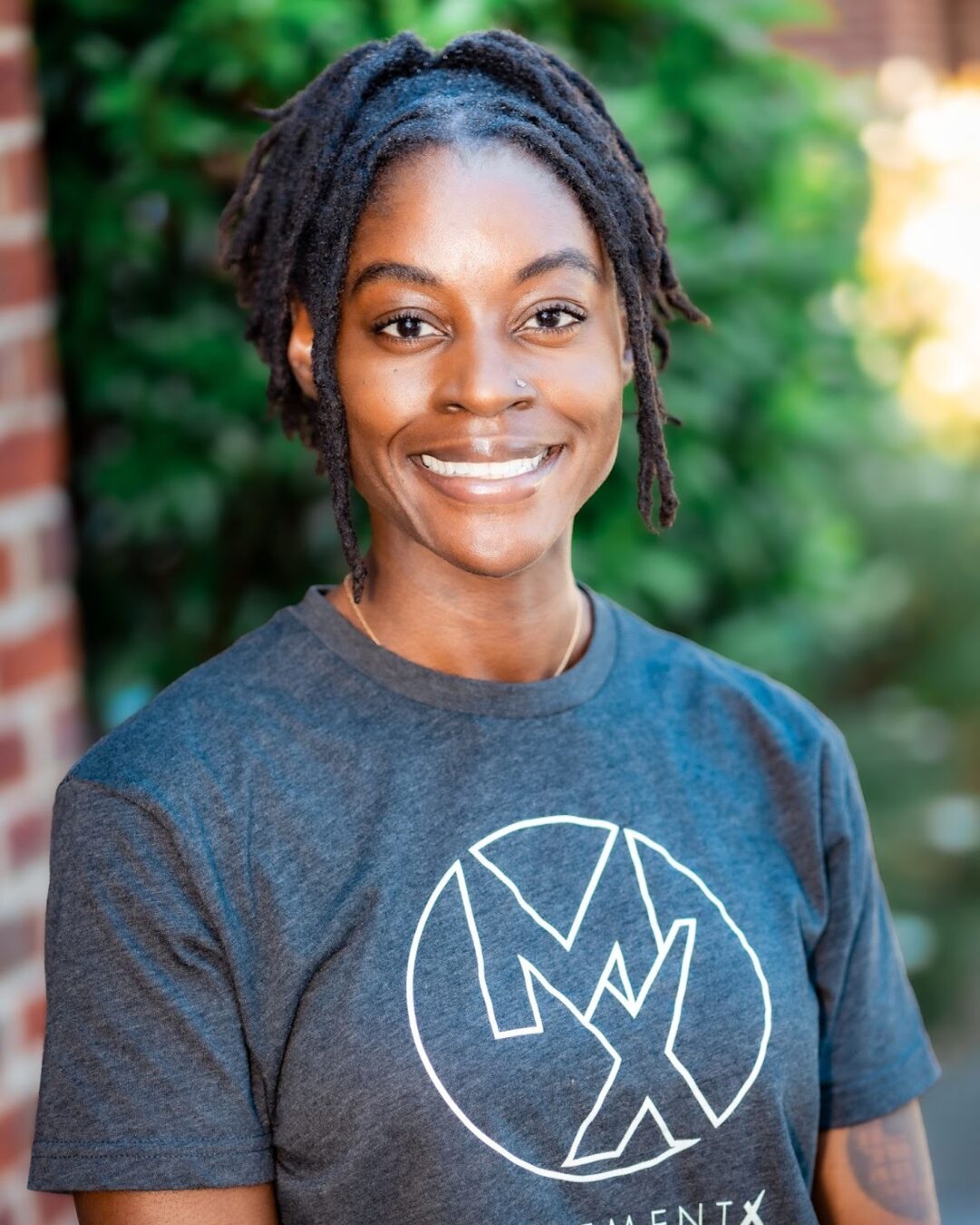
Dr. Bridget Ochuko, PT, DPT, MPH is a pelvic health physical therapist, childbirth educator, and yoga instructor serving Durham, NC, and surrounding areas. She specializes in supporting people through every stage of life—from puberty and childbirth to menopause and beyond—treating a wide range of pelvic health concerns. Her expertise includes chronic pelvic pain, sexual pain, hormonal imbalances, perinatal care, and bowel health issues, with a commitment to helping individuals better understand and take ownership of their pelvic wellness.
Her treatment philosophy centers on the integration of movement, breathwork, and mindfulness to address both the physical and emotional components of pain and dysfunction. Bridget strongly advocates for collaborative, holistic care and partners with other medical professionals to ensure comprehensive support for her patients. Beyond clinical practice, she serves as the Domestic Program Director on the board of InspireHer: A Global Women’s Health Initiative, where she advances programs dedicated to women’s health and empowerment. Click here to become a patient!
Knowledge is power… if you know what to expect, then you can advocate for the symptoms you’re experiencing.
Meet the host!
She looks forward to sharing her knowledge with you to help find a solution to address the imbalance in your system and restore your health.
Meet the Guest!
Dr. Bridget Ochuko, PT, DPT, MPH is a pelvic health physical therapist, childbirth educator, and yoga instructor serving Durham, NC, and surrounding areas. She specializes in supporting people through every stage of life—from puberty and childbirth to menopause and beyond—treating a wide range of pelvic health concerns. Her expertise includes chronic pelvic pain, sexual pain, hormonal imbalances, perinatal care, and bowel health issues, with a commitment to helping individuals better understand and take ownership of their pelvic wellness.
Her treatment philosophy centers on the integration of movement, breathwork, and mindfulness to address both the physical and emotional components of pain and dysfunction. Bridget strongly advocates for collaborative, holistic care and partners with other medical professionals to ensure comprehensive support for her patients. Beyond clinical practice, she serves as the Domestic Program Director on the board of InspireHer: A Global Women’s Health Initiative, where she advances programs dedicated to women’s health and empowerment. Click here to become a patient!
Knowledge is power… if you know what to expect, then you can advocate for the symptoms you’re experiencing.