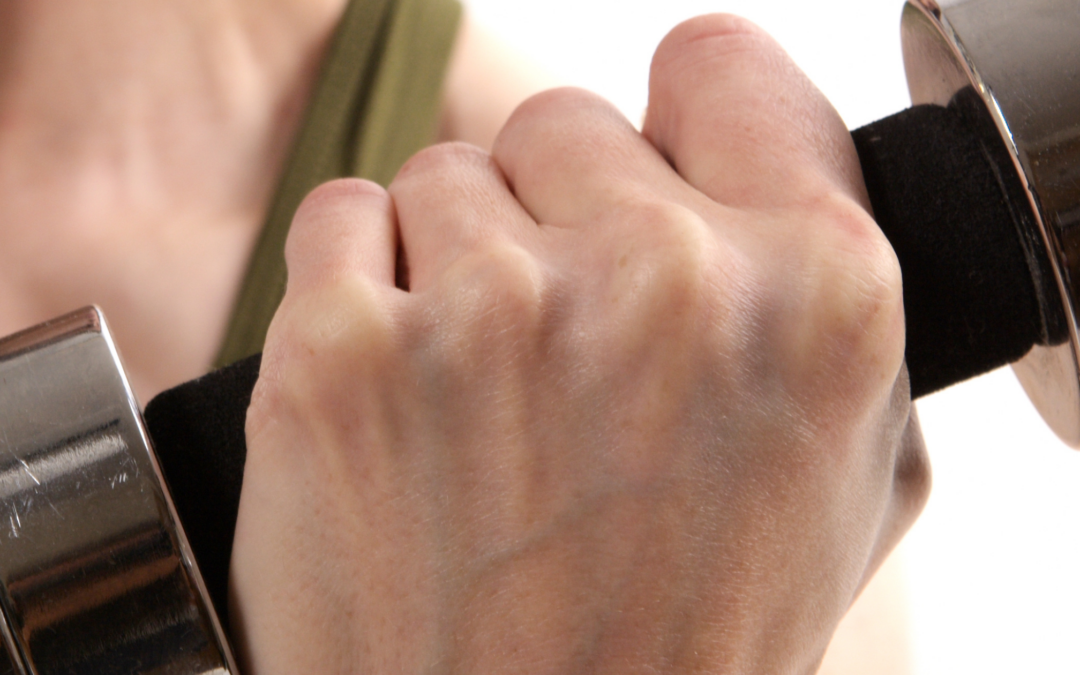
Strength training has an image problem. Most people still file it under appearance: bulking up, toning, looking a certain way. That misses the point. Building and keeping muscle is one of the highest-return investments you can make in your future health, and the return grows as you age. Muscle protects your bones, your blood sugar, your balance, and your independence. Here you will learn what strength training as preventive medicine means, how muscle works as an organ of health, and how to build a routine that holds up for decades.
Key Takeaways
|
What Does “Strength Training as Preventive Medicine” Mean?
Strength training, also called resistance training, is any exercise that makes your muscles work against a load: free weights, machines, bands, or your own body weight. Preventive medicine focuses on reducing risk factors before disease develops rather than treating it afterward. Put together, strength training as preventive medicine means using resistance exercise deliberately to lower your risk of the conditions that most often take away quality of life with age: osteoporosis, type 2 diabetes, heart disease, falls, and loss of independence.
A 2022 meta-analysis found adults who did muscle-strengthening activity had a 10 to 17 percent lower risk of all-cause mortality, cardiovascular disease, cancer, and diabetes than adults who did none (1). That is a drug-level effect with almost no side effects. Strength training complements medical care. It does not replace your lab work, screenings, or treatment plan. Muscle makes all of them work better.
Muscle Is an Organ of Health, Not Vanity
Think of muscle the way you think of your liver or heart: a tissue with a job that affects the whole body. Starting around age 30, adults lose roughly 3 to 8 percent of muscle mass per decade, and the rate accelerates after 60. The clinical term is sarcopenia, the age-related loss of muscle mass, strength, and function, now recognized as a disease in its own right because of how strongly it predicts frailty, falls, hospitalization, and death (2).
Muscle is also an endocrine organ. When it contracts, muscle fibers release signaling proteins called myokines that influence fat metabolism, inflammation, bone health, and brain function (3). Muscle is also the largest site of glucose storage in the body. More muscle means more capacity to clear sugar from the blood after a meal.
Muscle Mass vs. Muscle Strength
Having muscle and being able to use it are related but different. Mass is how much tissue you carry. Strength is how much force it can produce. Strength declines faster than mass with age, and it is the better predictor of how you will function day to day.
Functional strength is the ability to do real tasks: stand up from a low chair without your hands, carry groceries up stairs, get up off the floor. These markers determine whether you live independently at 80. Grip strength is another. In a study of nearly 140,000 adults across 17 countries, every 5-kilogram drop in grip strength was associated with a 16 percent higher risk of death from any cause, and grip predicted mortality better than blood pressure (4).
Prevention matters more with age because the margin shrinks. A 35-year-old who loses a little strength has decades of reserve. A 70-year-old who loses the same amount may cross from independent to dependent. Build reserve before you need it.
Strength Training and Bone Density: Building a Stronger Skeleton
Bone is living tissue, and it responds to mechanical stress the same way muscle does: by getting stronger where it is loaded. When a muscle pulls hard on a bone, the bone lays down more mineral to handle that force next time. Walking and swimming are good for you, but neither loads bone enough to trigger that response.
This matters most after menopause, when falling estrogen accelerates bone loss and raises osteoporosis risk. The LIFTMOR trial tested supervised, high-intensity resistance and impact training in postmenopausal women with low bone density. Over eight months, the training group improved bone mineral density at the spine and hip and improved function, with no fractures or serious injuries (5). The long-term payoff is a skeleton that resists fracture. A hip fracture after 65 is life-altering, and bone built in your 40s, 50s, and 60s is the reserve that protects you from it.
Fall Prevention: Stronger Muscles, Greater Stability
Why Falls Are About More Than Balance
Falls are the leading cause of injury-related death in adults over 65, and most people assume balance is the problem. Balance is one piece. Strength, power (how fast you can produce force), coordination, reaction time, and mobility all contribute. When your foot catches a curb, your hip and leg muscles have a fraction of a second to catch you.
Training the Muscles You Use Every Day
Squats, lunges, step-ups, and hip hinges train the exact muscles that keep you upright. A Cochrane review of over 100 trials found exercise programs including strength and balance training reduced the rate of falls in older adults by about 23 percent (6).
Strength, Power, and Independence
Independence is the real outcome. Catching yourself, getting up off the floor, and carrying what you need without help is what strength training protects.
Strength Training and Metabolic Health
Skeletal muscle is where most glucose goes after a meal. Insulin signals muscle cells to pull sugar from the blood and store it. When muscle resists that signal, blood sugar rises, and skeletal muscle insulin resistance is now understood as one of the earliest defects on the path to type 2 diabetes (7).
Resistance training improves insulin sensitivity two ways. In the short term, contracting muscle takes up glucose without needing insulin at all. Over time, more muscle means more storage capacity and more mitochondria to burn fuel. Muscle also burns more energy at rest than fat, so building it while losing fat improves metabolic markers even when the scale barely moves. For women in perimenopause and menopause, when fat tends to shift to the abdomen, maintaining muscle is one of the most effective tools available.
How to Build a Preventive Strength-Training Routine
- Focus on the major movement patterns. Squat, hinge, push, pull, and carry. Six to eight exercises per session is plenty.
- Consistency is key. Two to three sessions per week, every week, beats a heroic month followed by three off. Guidelines recommend muscle-strengthening activity for all major muscle groups at least two days per week (8).
- Prioritize progress over perfection. Add a little weight, a rep, or a set over time. Muscle adapts to the challenge, so the challenge has to grow. Technique matters, and so does showing up before it is perfect.
- Train for the future you want. Picture yourself at 80. Pick exercises that build the capacity to live that way.
Get professional guidance if you have existing injuries or medical conditions, significant mobility limitations, new or unexplained pain, or if you are an older adult new to resistance training. A good coach or physical therapist shortens the learning curve and reduces injury risk.
Strength Training Is Part of the Preventive-Medicine Rainbow
Resistance training is powerful, and it works best alongside the other pillars of prevention:
- Cardio for heart and lung health, blood pressure, and endurance
- Protein and good nutrition to supply the building blocks muscle needs to repair and grow
- Sleep, when most muscle recovery and hormone regulation happens
- Balance and mobility work to keep joints moving through their full range
- Healthy body composition, measured by muscle and visceral fat rather than weight alone
- Preventive screenings and medical care to catch what exercise alone cannot address
Conclusion
Muscle is a health organ, and losing it is a health risk. Strength training builds bone, protects against falls, improves insulin sensitivity, lowers cardiovascular and mortality risk, and preserves the independence that makes a long life worth living. You do not need a gym membership or a complicated program. You need a few key movements, two or three sessions a week, and the patience to keep adding a little over time. Start where you are.
Ready to Build a Plan That Fits You?
| Hormone Wellness MD is a functional medicine and gynecology practice with offices in Raleigh, North Carolina and Birmingham, Alabama. We look at hormones, metabolism, body composition, and bone health together, and we help you build a prevention plan that fits your life and your goals. |
Frequently Asked Questions
How often should you strength train for health?
Two to three sessions per week covering all major muscle groups is enough for most adults to see meaningful benefit. National guidelines set the minimum at two days per week. More is fine if you recover well, but consistency matters more than frequency.
Can strength training improve bone density?
Yes. Bone responds to mechanical load by adding mineral. Progressive resistance training, especially with heavier loads and some impact, has been shown to improve bone mineral density at the spine and hip, including in postmenopausal women with low bone density.
Does strength training reduce the risk of falls?
Yes. Exercise programs that include strength and balance training reduce the rate of falls in older adults by roughly 20 to 25 percent. Stronger legs and hips give you the power to catch yourself when you stumble.
How does strength training affect metabolic health?
Muscle is the body’s main site for glucose storage. Resistance training increases muscle mass and improves insulin sensitivity, which helps regulate blood sugar, lowers the risk of type 2 diabetes, and improves body composition.
Is strength training safe for older adults?
Yes, when it is appropriately programmed and progressed. Older adults respond to resistance training with gains in strength and function at every age. Those with existing conditions, mobility limitations, or no prior experience should begin with professional guidance.
Can beginners benefit from strength training?
Beginners often see the fastest gains because the body adapts quickly to a new stimulus. Starting with body weight or light resistance and learning the major movement patterns is the right first step. You do not need to be fit to begin.
References
- Momma H, Kawakami R, Honda T, Sawada SS. Muscle-strengthening activities are associated with lower risk and mortality in major non-communicable diseases: a systematic review and meta-analysis of cohort studies. Br J Sports Med. 2022;56(13):755-763. https://doi.org/10.1136/bjsports-2021-105061
- Cruz-Jentoft AJ, Bahat G, Bauer J, et al. Sarcopenia: revised European consensus on definition and diagnosis. Age Ageing. 2019;48(1):16-31. https://doi.org/10.1093/ageing/afy169
- Pedersen BK, Febbraio MA. Muscles, exercise and obesity: skeletal muscle as a secretory organ. Nat Rev Endocrinol. 2012;8(8):457-465. https://doi.org/10.1038/nrendo.2012.49
- Leong DP, Teo KK, Rangarajan S, et al. Prognostic value of grip strength: findings from the Prospective Urban Rural Epidemiology (PURE) study. Lancet. 2015;386(9990):266-273. https://doi.org/10.1016/S0140-6736(14)62000-6
- Watson SL, Weeks BK, Weis LJ, Harding AT, Horan SA, Beck BR. High-intensity resistance and impact training improves bone mineral density and physical function in postmenopausal women with osteopenia and osteoporosis: the LIFTMOR randomized controlled trial. J Bone Miner Res. 2018;33(2):211-220. https://doi.org/10.1002/jbmr.3284
- Sherrington C, Fairhall NJ, Wallbank GK, et al. Exercise for preventing falls in older people living in the community. Cochrane Database Syst Rev. 2019;1(1):CD012424. https://doi.org/10.1002/14651858.CD012424.pub2
- DeFronzo RA, Tripathy D. Skeletal muscle insulin resistance is the primary defect in type 2 diabetes. Diabetes Care. 2009;32(Suppl 2):S157-S163. https://doi.org/10.2337/dc09-S302
- Piercy KL, Troiano RP, Ballard RM, et al. The Physical Activity Guidelines for Americans. JAMA. 2018;320(19):2020-2028. https://doi.org/10.1001/jama.2018.14854